
In the fourth post of this Sharing Our Roots series, Dutch mother Suzanne shares her viewpoint on raising culturally aware children whilst living in Britain. What’s life like as a Dutch mother in England? She shares the issues and advantages of raising children outside her birth country.
Born Dutch, Living in London
Suzanne was born in the Netherlands but now lives in London in England with her husband and two daughters who are two and four (or as her eldest prefers “four and three quarters”). Suzanne’s daughters were born in Britain and hold British passports but not Dutch ones. Suzanne explains why,
“The sole reason is the inconvenience of legalizing their British birth certificates, which is a requirement of the Dutch embassy. The passport of my eldest will expire soon and I’m thinking of taking advantage of the situation to get both girls a Dutch passport as well as extending their British ones. As we have different surnames and nationalities I always get questions at the border and am asked to show their birth certificates when my husband isn’t travelling with us, which is most of the time.”
(Note added 2023: Brexit has impacted the rights of Dutch people in Britain: for more information refer to the government website.)
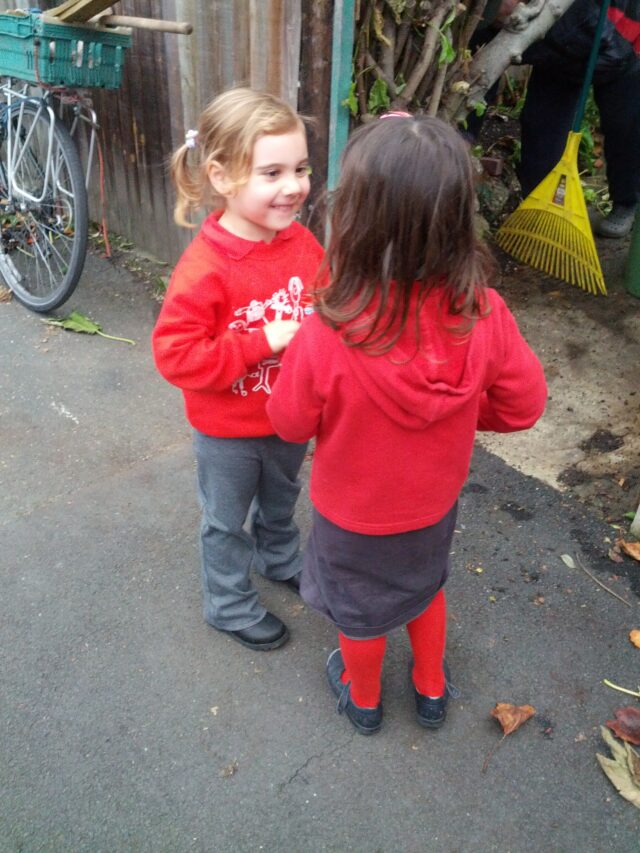
Dual Nationality
Thinking to the future, Suzanne also sees another advantage of obtaining dual nationality for her daughters, but also considers the practicalities of the unthinkable,
“I can also imagine it being easier for them to move to the Netherlands with Dutch passports if we or they should ever want or need to. For example, their legal guardians (should my husband and I both die) are in the Netherlands. I can imagine a few legal hurdles would need to be overcome before they’d be allowed to leave the UK in such a case.”
Learning About Their Mum’s Birth Country
Asked whether she thinks it is important for her children to know about the country she herself was born in Suzanne replies,
“I don’t dwell on it, I don’t even consider myself an expat – I’m just Dutch and happen to live in the UK. I do think it’s great for kids living in a “dominant” culture (like the UK or North America) to have a true appreciation of the differences between the country they’re growing up in and the other country they’re culturally linked to (or countries, as my London-born husband’s parents are Italian). It also helps them relate to their cousins who are huge role models for them.”

So how do you share Dutch culture with your children whilst living in London? Suzanne teaches her children about the Dutch holidays and communicates with them in Dutch. Whilst she is working the family has a Dutch nanny who keeps the Dutch language in use in the family home. Suzanne says,
“Between us we read stories, sing songs and show videos that provide context around Sinterklaas, koninginnedag and day-to-day traditions such as hagelslag (chocolate sprinkles), cycling, street play, the absence of school uniforms and so on. Our nanny is a lot younger than I am and can share more of what the current generation experiences.”

Ties Back to the Netherlands
The family also visits the Netherlands around three times a year which is hugely beneficial for the language skills of her children as Suzanne explains,
“Whenever we visit my family in the Netherlands they get a full 4-5 day language and culture immersion resulting in a huge improvement of their spoken Dutch.”
Suzanne relays that she doesn’t seek out the Dutch community locally or attend Dutch related events. Instead she makes optimal use of the internet and brings back Dutch books from their trips to the Netherlands.
“We also call the grandparents a lot and sing at least one Dutch song at bedtime each night,” she says.
The Issue of Parenting Styles
The only real issue that Suzanne relates to bringing up children in a country she was not born in revolves around language although she does notice a potential culture difference in parenting styles,
“My husband doesn’t speak Dutch so I find it hard to speak Dutch consistently. Besides this I cannot think of any negatives. I’m completely at home here and don’t have issues with not being able to relate to how they experience childhood. I do find kids a bit self-entitled and spoiled here and feel I’m always the tougher parent (“no, you can’t have a biscuit the second you walk out of the school gates even though all the other kids can”) but that may be a trend of the time rather than the place.”
Whilst bringing up bilingual children can throw up challenges for parents, Suzanne has a gem of advice for other parents when the going gets tough:
“If you do want to teach your kids your language, stick to it. Don’t worry about them getting behind in the other language. They will catch up very quickly and will be forever grateful for being bilingual.”
Suzanne
Over to You
If you are a Dutch mother or father in England, what culture differences do you notice? Do your children speak Dutch? How has Brexit impacted your life?


0 comments