
My three boys are bilingual, speaking Dutch as their mother tongue and English as their second language. It struck me recently that even though we talk and read in English at home every day my eldest hardly gets any writing practice in his second language. So I’m making an all out concerted effort to change that and I have been thinking of ways that he’ll find interesting to encourage him to pick up a pen to write in English.
1. Write Letters
Yes, back to basics and the old fashioned way of communicating. I read an article recently about the dying art of letter writing and was hit with a wave of nostalgia. It’s unlikely that my sons will ever feel the happiness of receiving a letter whilst away at university for example, the way I did when I suddenly lived hundreds of miles away from my family. An envelope with tales from home appearing on my doormat with the post was enough to make my day. Nowadays it’s all email, Facebook and messaging but there’s no reason my children can’t have a sense of the feelings a handwritten letter brings. My family live in Britain and the USA, so there’s no reason he can’t start writing in English to them. And hopefully they’ll write back…. (hint hint if you’re reading this…).
2. Journal
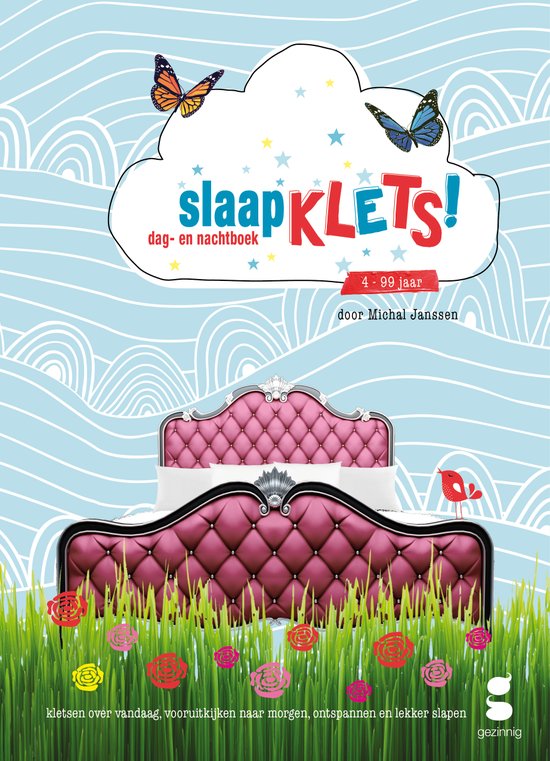
My eldest owns a book called “Slaapklets” which is full of prompts to get children to think and write about their day before they go to sleep. But it’s in Dutch, which he’s already proficient at writing in.
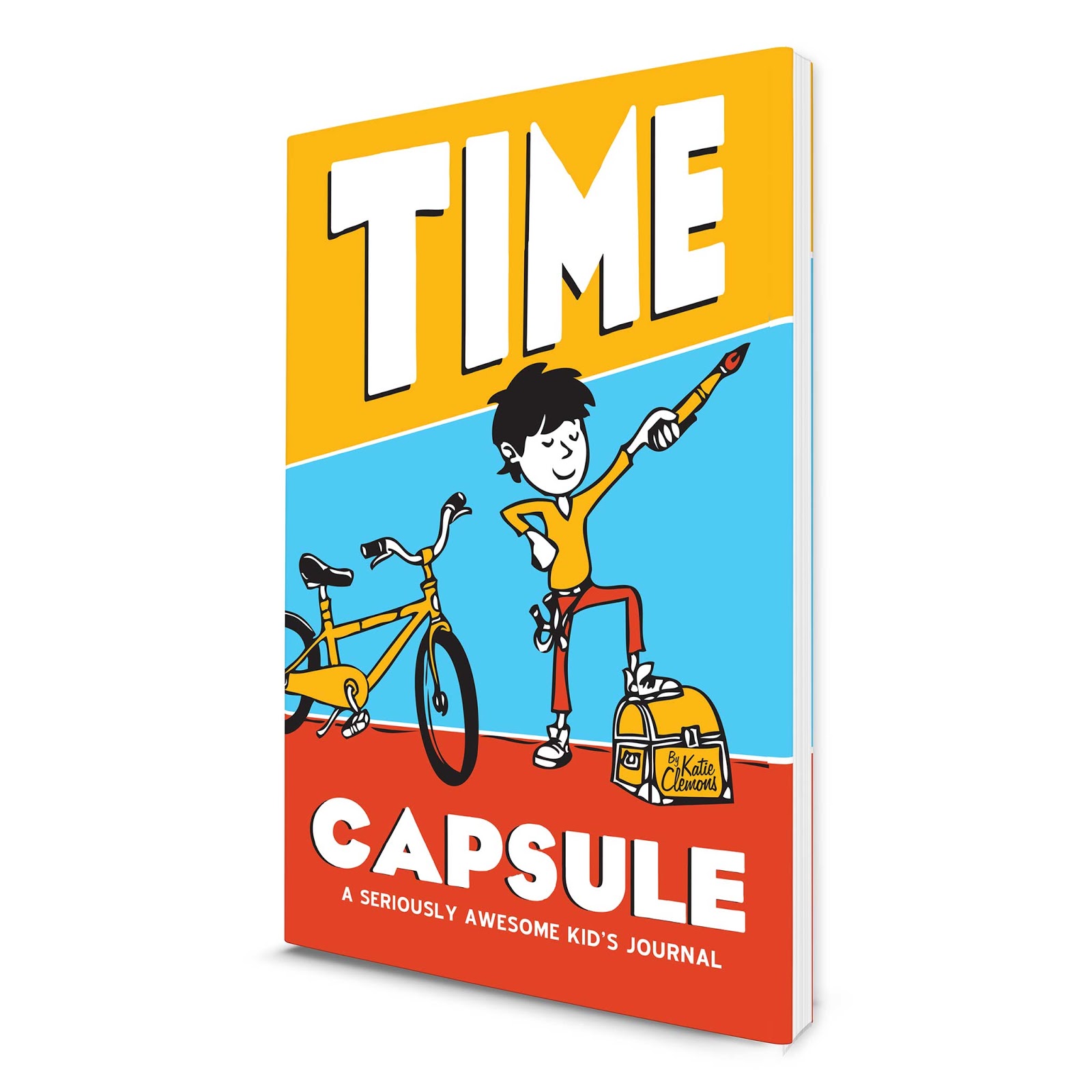
Luckily someone is one step ahead of me – my favourite journal creator, Katie of Gadanke. She’s created wonderful journals specifically for our little people. There are kids’ journals which encourage creative writing, create a time capsule to treasure for years to come, and get children looking at the world around them.
There are also journals for mothers and daughters or mothers and sons.
3. Story Writing
Another wonderful trick I have started with my son is to write a paragraph of a story and leave it for him to continue.
I’ve added a penguin to the story so he’s sure to be hooked.
When he’s added his creative paragraph he can pass it back for me to add to and then he’ll get another turn.
My boys love it when we make up bedtime stories about them so I’m confident this will grab my eldest’s interest, and when his brothers are older and writing they can join in too.
4. Mind Dump
Pick a topic your child is interested in and ask them to ‘dump’ all their knowledge on that topic on to paper. What they write doesn’t have to be in any particular order – so long as they are writing and extending their vocabulary.
Or you could ask them to write five sentences about a particular interest if you want to steer them a little.
The important thing is to get them thinking and writing in their second language. For mine this would mean a mind dump about penguins, the solar system, Cornwall or dinosaurs.
What would your children be interested in writing about?
5. Find a Pen Pal
If you don’t have easy access to people to write to in your child’s second language, or they want to write to someone of a similar age then finding a pen pal can be a lot of fun. I remember having a series of pen pals as a child, and one in particular became a good childhood friend.
Kid World Citizen has some great tips for finding an international pen friend.
Over to You
Hit me with your best tips to get bilingual children writing in their second language!


0 comments